Anthropic CEO Predicts 20% Unemployment. Should We Panic?
By riz pabani on 01-Jun-2025
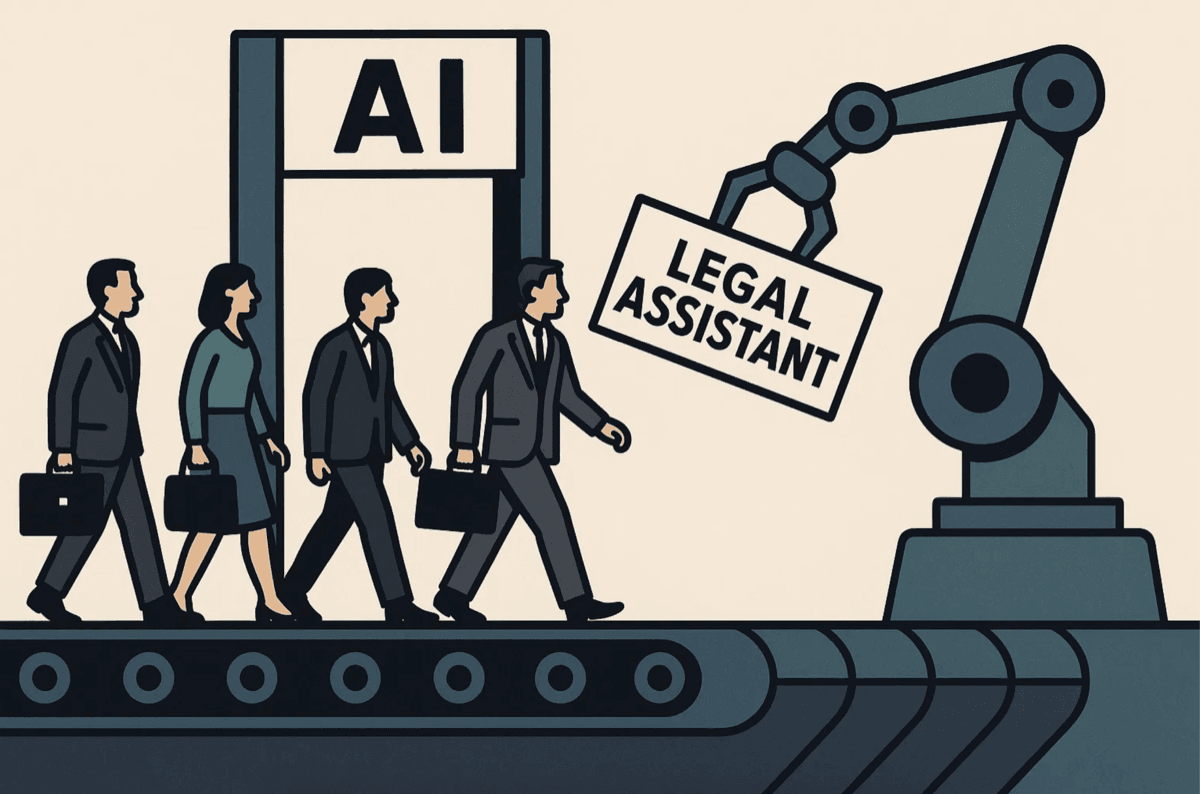
Anthropic CEO Dario Amodei recently warned of a potential spike in unemployment to 10–20% as AI wipes out large swathes of white-collar jobs. Entry-level roles in tech, finance, legal, and consulting? All vulnerable, he says.
But is this the beginning of a white-collar reckoning — or just the latest episode in Silicon Valley's long-running cycle of hype and fear?
The reality is, large-scale automation isn't easy. Most companies still don't know how to deploy AI effectively, and those who do aren't yet leading the world's biggest employers.
Jobs focused on a single, repeatable task are more at risk. Driving, for example, is likely to be transformed as robo-taxis go mainstream. That shift is already well underway. But sales, operations, and managerial roles are harder to automate cleanly. These jobs will likely be augmented, not replaced, by AI — at least in the near term.
There's a view that AI is just an ultra-powerful autocomplete, and that's how most new graduates begin their careers — doing the mental grunt work. It's a fair comparison. But this generation of graduates are AI natives. They may be best positioned to help legacy institutions adopt these new tools.
Others argue that AI will unlock abundance, much like the car replaced the horse or industrial farming replaced subsistence agriculture. Costs drop, productivity rises, and entirely new industries emerge. Work changes. It doesn't disappear.
When productivity increases, the return on investment improves. That attracts more capital, not less. And with it, more jobs — not necessarily the same ones we're losing, but often better ones.
Still, there's a darker possibility: that AI isn't just a productivity tool, but a power tool. Used by governments or incumbents, it could entrench control — through surveillance, censorship, or regulatory capture.
Panic or Prepare? Both sides are right, to a degree. AI will eat jobs. Especially entry-level ones. Fast.
But history tells us new industries tend to rise from the rubble. AI might decentralise opportunity and allow the AI-native generation to build billion-dollar businesses with teams of five.
The question isn't whether AI will change everything. It's whether we meet that change with fear — or with a mindset that's ready to build what comes next.
Related Articles
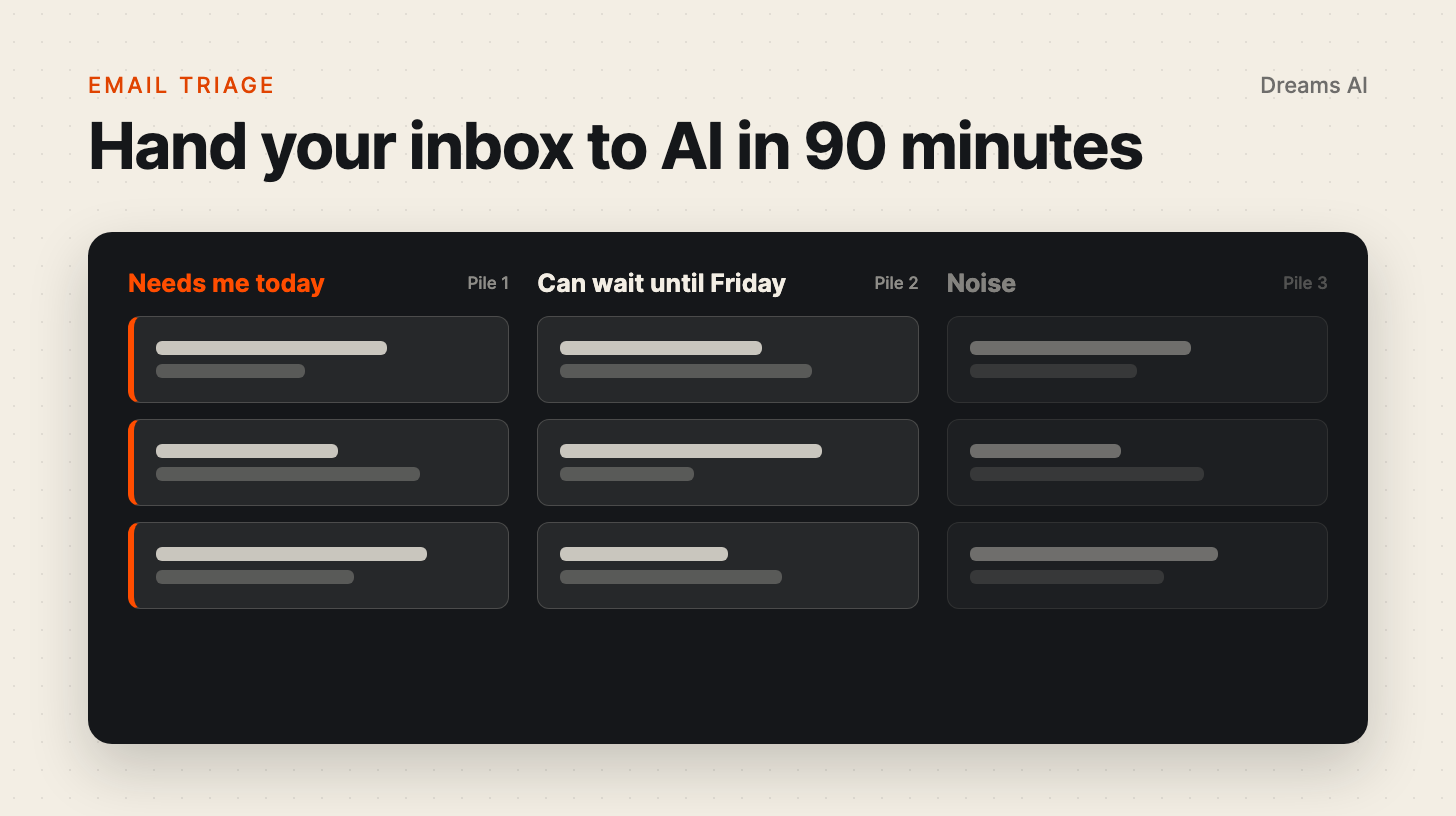
AI email triage in 90 minutes: a setup for professionals
AI email triage for a London solicitor or consultant in one 90-minute session: the three piles, the ...
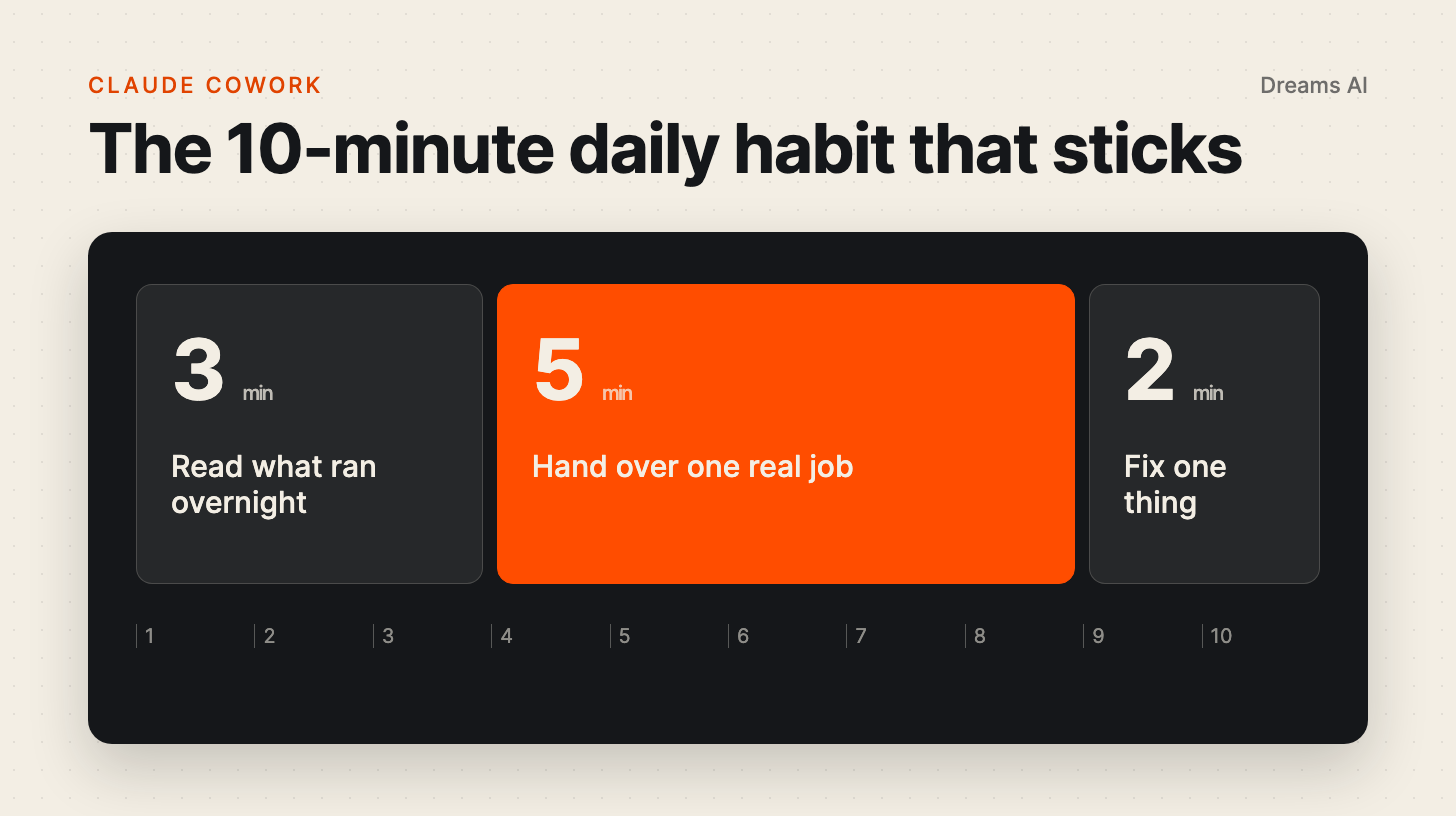
Claude Cowork habit: the 10-minute daily routine that sticks
The 10-minute Claude Cowork habit I'd give anyone who keeps forgetting to use it: one morning check,...
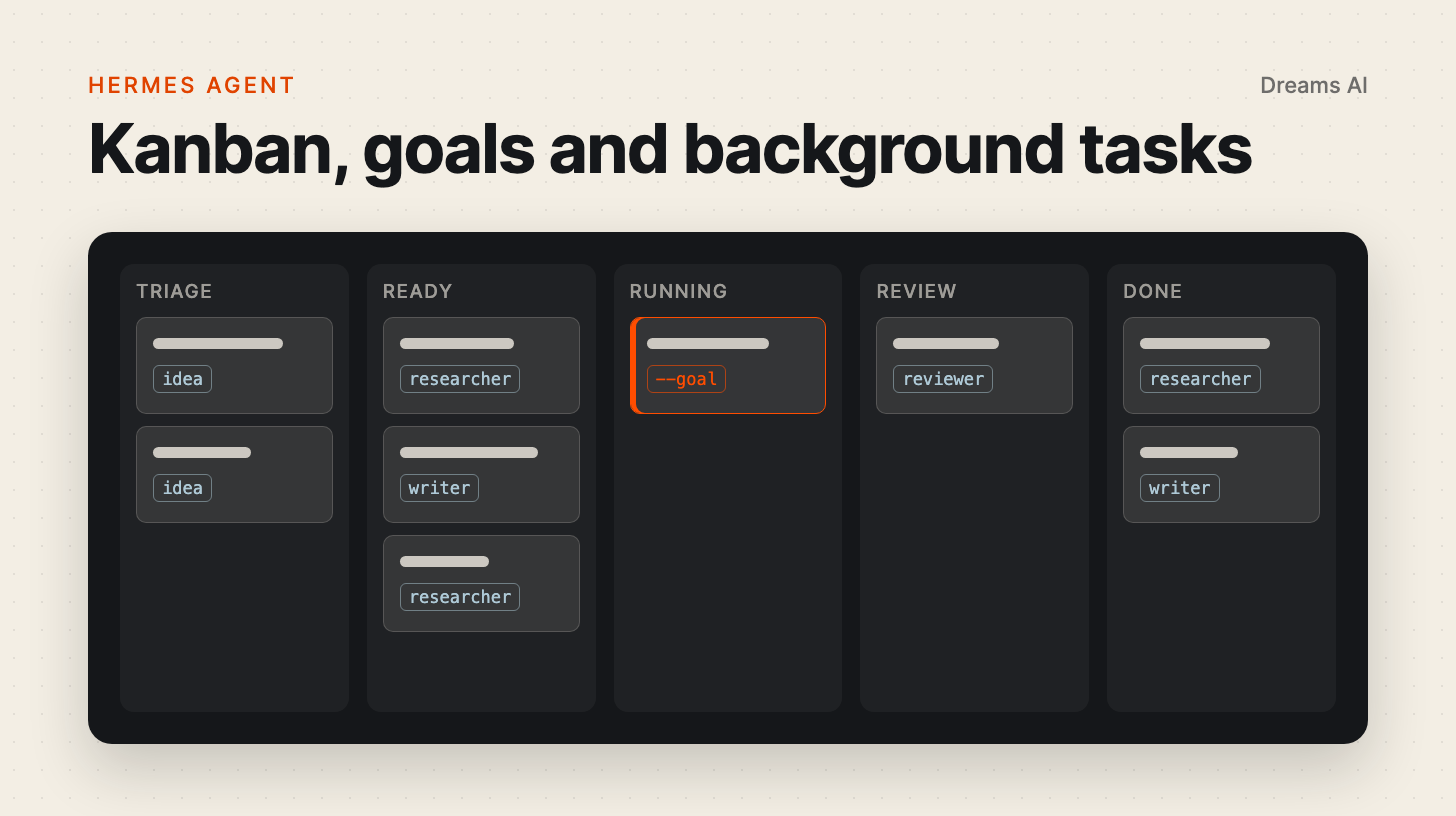
Hermes Agent kanban, step by step: five commands
Hermes Agent kanban, /goal and /bg: how they differ, the five commands to set up a board, and the go...
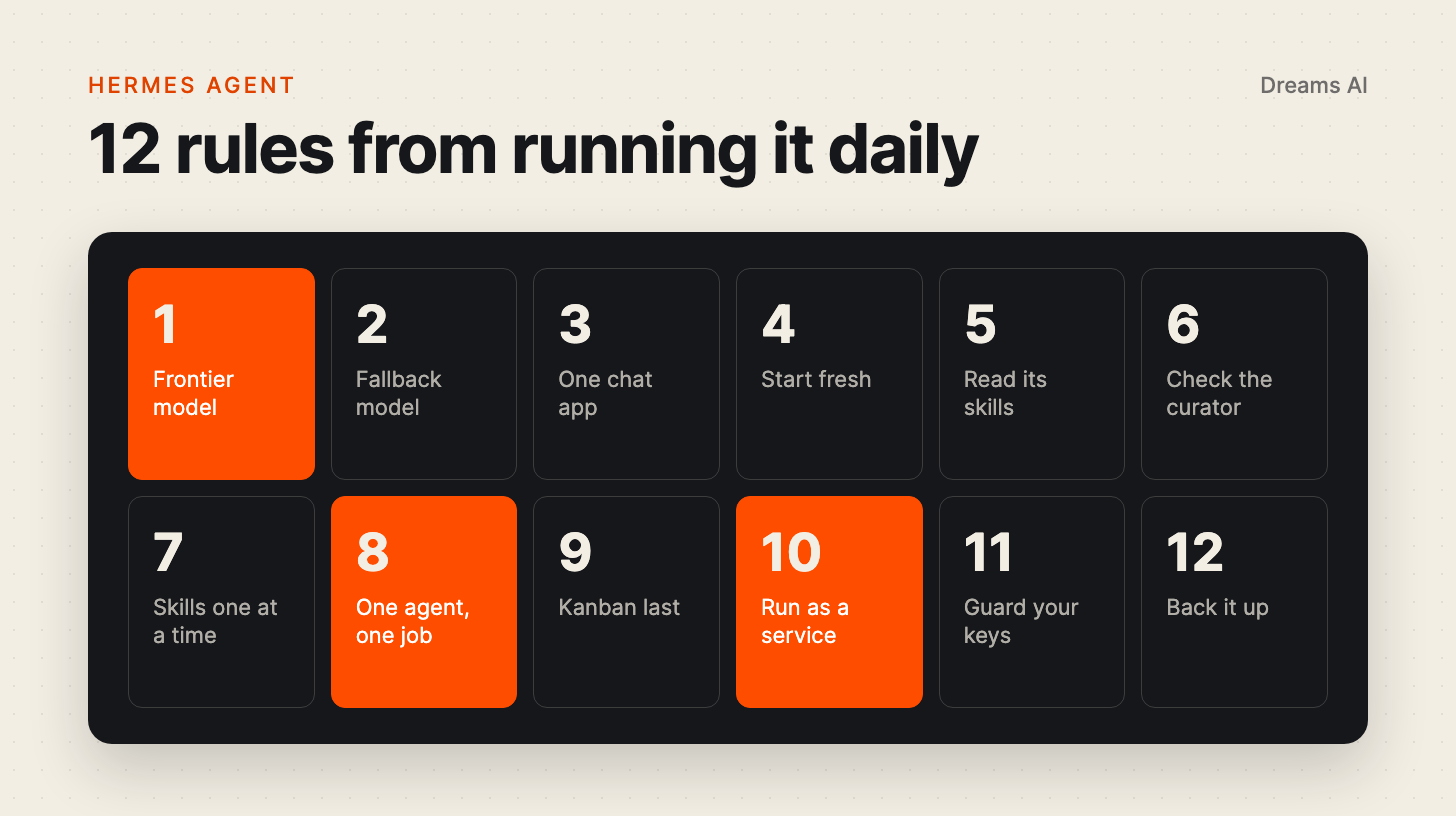
Hermes Agent best practices: 12 rules from daily use
12 Hermes Agent best practices from running it every day: model choice, pruning skills, the curator,...